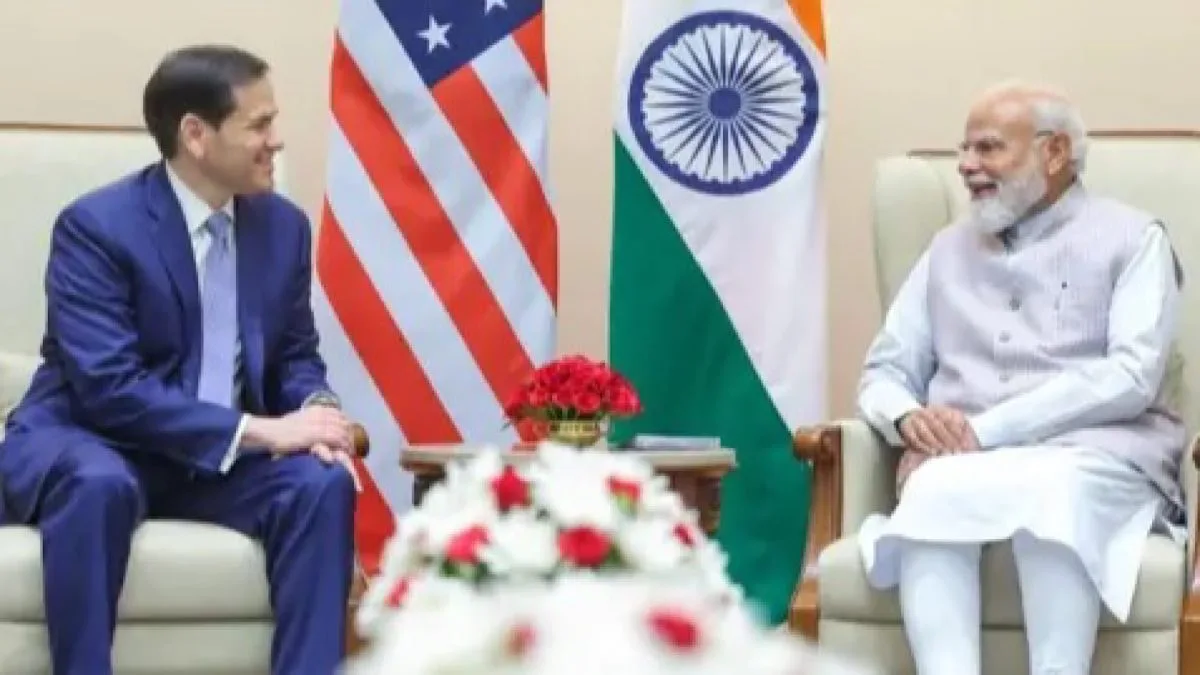
Diplomatic visits are rarely accidental. When America’s top diplomat chooses to begin an India tour not with a defence facility, technology summit or strategic dialogue, but at the headquarters of a Catholic charity founded by Mother Teresa, the symbolism matters. The message becomes even sharper when that organisation once found itself temporarily paralysed by India’s foreign funding regulations. The controversy surrounding the Foreign Contribution Regulation Act has long extended beyond bookkeeping compliance. It has evolved into a larger debate about the balance between sovereignty and civil liberty in an increasingly centralised Indian state.
The law was originally framed to prevent foreign interference in domestic politics and to monitor questionable funding channels. No one should dispute the legitimacy of that objective. Every sovereign country regulates foreign money flows. The problem begins when regulatory power acquires the ability to selectively intimidate, freeze or structurally weaken institutions without transparent standards. Over the past decade, many non-governmental organisations have lost FCRA licences. Some were accused of financial irregularities, others of activities deemed contrary to national interest. Yet critics increasingly argue that the law’s implementation has created a climate where humanitarian, religious and advocacy groups operate under constant uncertainty.
Advertisement
Even temporary suspension of foreign funding can cripple hospitals, shelters, educational projects and relief networks that depend heavily on overseas donations. The earlier licensing crisis involving the Missionaries of Charity became internationally significant precisely because the organisation occupies an unusual moral space. That episode therefore transformed a technical regulatory dispute into a broader question about institutional trust, state discretion and religious freedom. What now worries sections of the international community is not merely licence cancellation but the possibility of deeper encroachment through proposed amendments that could expand government authority over the assets of foreign-funded organisations.
If administrative lapses can eventually place schools, hospitals or charitable properties at risk of takeover, then the issue moves beyond compliance into the realm of coercive leverage. India’s defenders will argue that Western governments themselves maintain stringent oversight of foreign influence operations and politically funded NGOs. That is absolutely correct. Democratic credibility though depends not only on the existence of regulation but on the perception of fairness, proportionality and due process. A strong state is expected to distinguish between hostile interference and legitimate humanitarian activity. The timing of renewed scrutiny also matters.
India today seeks greater global leadership, expanded strategic partnerships and recognition as a democratic counterweight in an unstable world order. That ambition inevitably brings closer examination of how domestic institutions function. Questions about civil society restrictions, minority rights and bureaucratic concentration of power are no longer purely internal matters once India positions itself as a global democratic model. The Kolkata visit was therefore not just a gesture of faith. It was a reminder that in modern geopolitics, symbolism can become diplomacy, and regulation can become reputation. Of course, the fact that the visit was by a senior official from America ~ a country which in recent times has brushed aside all inconvenient rules of engagement ~ denudes that symbolism.